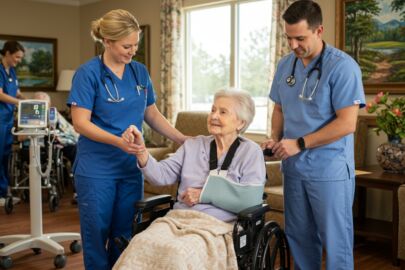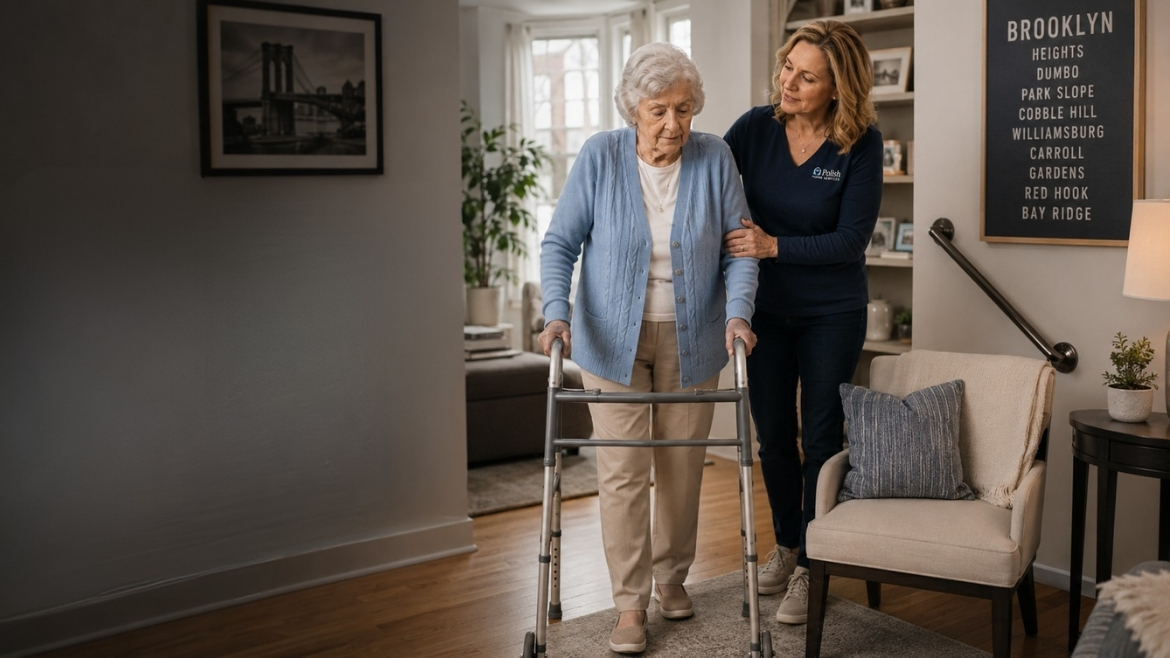
Watching a loved one lose their mobility can be heart-wrenching. As family caregivers, we often witness the exact moment a confident stride becomes a cautious shuffle, or when the simple act of rising from a favorite armchair turns into a silent struggle.
Mobility challenges are more than just a physical hurdle; they are a threat to independence, dignity, and emotional well-being. However, with the right home modifications, proactive care, and professional support, you can turn your home into a safe harbor that promotes confidence rather than caution.
The Physical and Emotional Impact of Reduced Mobility
When mobility declines, the world feels smaller. Seniors may begin to avoid social gatherings, skip walks, or stop engaging in hobbies they once loved, primarily out of a fear of falling. This leads to a dangerous cycle of deconditioning—the less they move, the less they are able to move.
For those also navigating cognitive decline, physical challenges become even more complex. If you are already managing a routine for a loved one with memory issues, ensuring their physical safety is a top priority. Establishing a predictable daily routine for seniors with dementia can help reduce their anxiety, making them more willing to engage in the gentle movement exercises required to maintain their strength[cite: 1].
5 Practical Steps to Create a Safer Home Environment
| Area of Concern | Immediate Action | Benefit |
|---|---|---|
| Floors & Pathways | Remove loose area rugs and clear electrical cords. | Prevents trips and falls. |
| Lighting | Install motion-sensor nightlights in hallways/bathrooms. | Ensures visibility during late-night hours. |
| Bathroom | Add grab bars near the toilet and inside the shower. | Provides stability during high-risk maneuvers. |
| Furniture | Ensure chairs have sturdy armrests and appropriate heights. | Makes standing up significantly easier. |
| Clutter | Keep frequently used items at waist level. | Eliminates the need to bend or reach high. |
Encouraging Movement Without the Risk
Movement is medicine. While safety is the priority, total inactivity is the enemy of health. Here are ways to safely incorporate movement into their life:
- Implement “Anchor” Exercises: If you have already set up a structured daily routine, build short, 5-minute movement sessions into the same time slots each day. Consistency builds comfort[cite: 1].
- Utilize Assistive Devices: If a walker or cane is recommended by a physical therapist, encourage its use early and often. Normalizing these tools before they are strictly necessary helps seniors embrace them as friends, not burdens.
- Focus on Core and Balance: Simple chair yoga or seated leg raises can drastically improve stability without the fear of falling.
- Encourage Social Walking: If your loved one is hesitant, offer to walk with them. The companionship often outweighs the physical effort, making the exercise feel like a treat rather than a chore.
The Role of Professional Caregiving in Safety
At Polish Home Services, our team is trained to assist with safe transfers, fall risk mitigation, and encouraging physical activity. By integrating professional support into your home, you gain peace of mind knowing that someone is there to assist with the movements you might find physically demanding or risky to manage alone.
Whether you need a few hours of companion care or 24-hour support, we are here to help your family maintain its independence.
Contact Polish Home Services Today