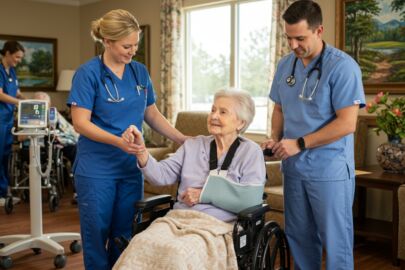
Mobility is one of the most crucial parts of independence and quality of life as individuals get older. The elderly mobility scale is a popular tool that helps doctors, caretakers, and family members figure out how well an older person can move around on their own. This scale is basic but very helpful because it shows how much help an older person requires in their everyday lives.
This page will explain the elderly mobility scale, how the senior mobility scale calculator works, and how things like an elderly mobility walker can help people become more independent. By the conclusion, you will know everything there is to know about how this scale works and why it is so important for caring for the elderly.
Table of Contents
What is the Elderly Mobility Scale?
The elderly mobility scale is a clinical tool that helps doctors see how well older people can move around. It checks how well you can do simple things like standing, sitting, walking, and balancing. It is usually used in hospitals, rehab centers, and nursing homes to figure out how much help an older person needs.
The scale normally has a score range of 0 to 20. A higher number suggests that the person can move around better and is more independent, while a lower score means that they need more help. This makes it a really helpful and easy tool for creating elderly care plans.
Why is the Elderly Mobility Scale Important?
Older folks’ general health is closely tied to their ability to move around. The elderly mobility scale helps find dangers like falls, losing independence, or going back to the hospital. This scale is a reliable tool for caregivers and healthcare personnel to use when making decisions.
This scale helps elders get the correct help at the right time. For instance, someone with a lower score can benefit from an elderly mobility walker or activities to help them get better. Someone with a higher score, on the other hand, may simply require a little help.
How Does the Elderly Mobility Scale Work?
The scale includes several simple tasks such as:
- Getting out of a chair.
- Taking a brief walk.
- Standing up straight.
- Safely sitting back down.
There is a score for each task based on how well it was done. The total number of points shows if someone is autonomous, needs little help, or needs complete help.
This means that the elderly mobility scale is more than just a test; it’s also a guide for how to care for people every day.
Understanding the Elderly Mobility Scale Calculator
You can use a digital or paper elderly mobility scale calculator to figure out the final result. Healthcare staff commonly use it to make quick decisions. They may get the overall score right away and choose the optimum care plan by putting the results from each test item into the calculator.
This calculator cuts down on mistakes and saves time. It’s also helpful for relatives who wish to keep track of how their loved one is doing with mobility. The elderly mobility scale calculator can be used to record and compare changes in mobility over weeks or months.
The Role of an Elderly Mobility Walker
When the elderly mobility scale indicates lower scores, people need help with things like walking. The elderly mobility walker is one of the most prevalent solutions. This technology makes things more stable, lowers the chance of falling, and helps older people stay active.
There are several different kinds of walkers, such as basic frames, rollators with wheels, and walkers with seats built in. The right one for you will rely on your score on the mobility scale and your own needs.
A rollator walker could be used by someone who is somewhat independent, while a frame walker with caregiver support could be used by someone who is highly limited in their movement.
Benefits of Using the Elderly Mobility Scale
- It makes bodily independence very evident.
- It helps build a care plan that is unique to you.
- It finds early signs of mobility decrease and stops dangers.
- It helps family members make smart decisions.
- It helps keep track of how well someone is doing as they recuperate or rehabilitate.
Because of these benefits, the elderly mobility scale is an important aspect of caring for the elderly all around the world.
Who Uses the Elderly Mobility Scale?
This scale is commonly used by:
- People often use this scale:
- Nurses and doctors at hospitals.
- Physiotherapists help with rehabilitation.
- People who take care of people in nursing homes.
- Families taking care of older people at home.
It is trusted by both medical experts and family caregivers because it is quick, easy, and dependable.
Challenges in Using the Elderly Mobility Scale
The elderly mobility scale is useful, but it also has certain problems. It mostly looks at how well someone can move about physically, and it doesn’t properly assess things like memory, mood, or motivation. In other circumstances, two seniors who got the same score may have completely different needs.
Because of this, the scale is typically used with other health tests. For the best outcomes, it should be done along with a comprehensive checkup of your health and well-being.
Improving Mobility After a Low Score
A senior can still become independent again, even if they score low on the elderly mobility scale. Seniors can get better scores by doing the right kind of rehab, exercise, and using gadgets like an elderly mobility walker.
Some of the proven ways are physical therapy, strength training, and balance exercises. Even little things you do every day, like walking around the house or practicing sit-to-stand movements, can have a tremendous effect.
Elderly Independence and Quality of Life
The main purpose of the elderly mobility scale is to help older people live a full life. Moving about isn’t just about getting from one place to another; it’s also about independence, respect, and confidence. Families and caregivers can use this measure to make sure that elders stay as independent as feasible.
Conclusion
The elderly mobility scale is not merely a test. It’s a simple yet effective approach to find out how independent elders are. Seniors can live safer, healthier, and more active lives using tools like the elderly mobility scale calculator and support items like the elderly mobility walker. This scale gives families, caregivers, and healthcare providers the information they need to make choices that improve elderly care and make life better for older individuals.
FAQs
Q1. What is the purpose of the elderly mobility scale?
It helps caregivers and support staff figure out how mobile and independent older individuals are.
Q2. How accurate is the elderly mobility scale calculator?
It is quite accurate for rapid assessments, which makes it easy to keep track of development and plan therapy.
Q3. Who should use an elderly mobility walker?
For safety, anyone with a poor mobility score or balance problems should use a walker.
Q4. Can a low score on the elderly mobility scale be improved?
Yes, seniors can get better scores and more independence with exercise, treatment, and assistive technology.
Q5. Is the elderly mobility scale used worldwide?
Yes, hospitals, nursing homes, and rehab facilities all over the world trust it.
Caring hands, trusted hearts: contact Polish Home Services for personalized elderly care today.